Exploring the Cost-Effectiveness of Carbon Steel Weld Fittings
Understanding Carbon Steel Weld Fittings
What are Carbon Steel Weld Fittings?
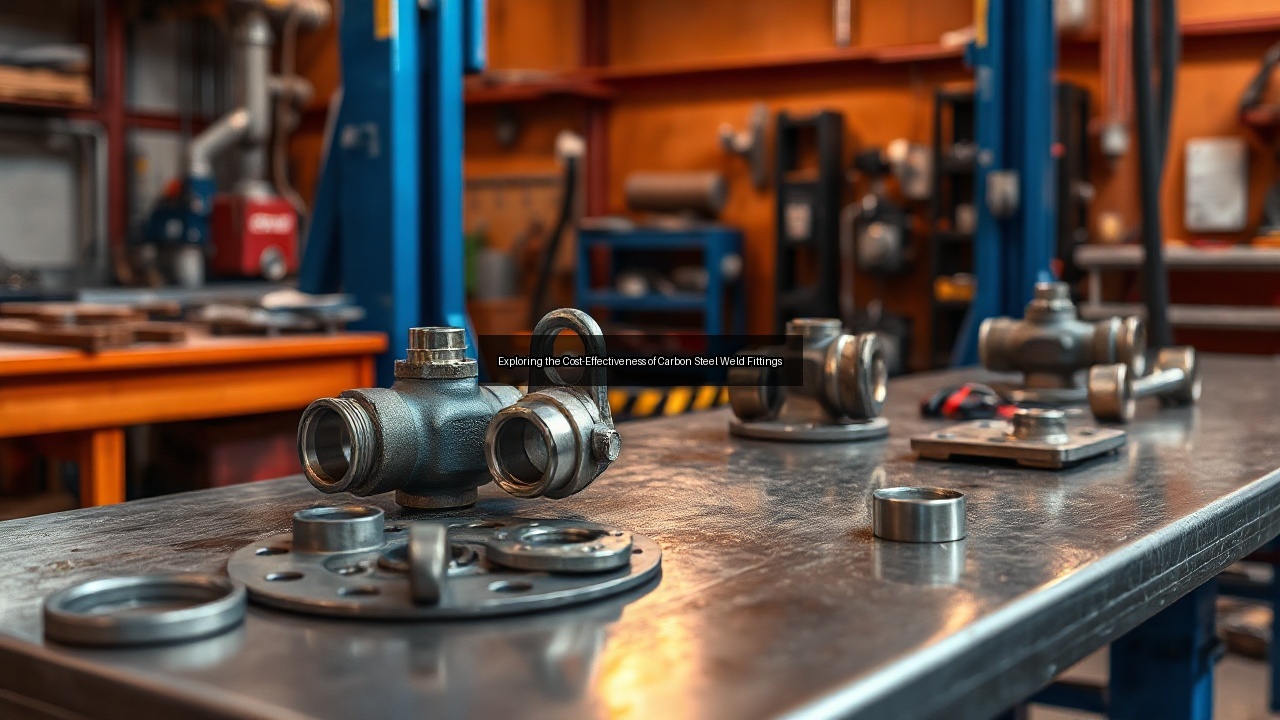
Carbon steel weld fittings serve as crucial components in piping systems, especially in industries such as oil and gas. These fittings are designed to connect sections of steel pipes seamlessly, providing strength and durability. Weld fittings come in various shapes and sizes, including elbows, tees, reducers, and flanges, tailored to meet specific piping requirements. The inherent properties of carbon steel—such as its tensile strength and resistance to deformation under high pressure—make it an ideal choice for applications where reliability is essential. Moreover, carbon steel weld fittings offer a balance between cost-effectiveness and performance, ensuring they deliver long-term value in various industrial environments.
Types of Weld Fittings: Butt Weld vs. Socket Weld
Two primary types of weld fittings dominate the market: butt weld fittings and socket weld fittings. Butt weld fittings involve joining two pieces of pipe at their ends, creating a continuous flow path without any significant interruption. This method enhances the overall strength of the joint and is particularly effective in high-pressure systems, making it suitable for critical applications in the oil and gas sector. On the other hand, socket weld fittings connect pipes by inserting the pipe into a socket fitting before welding the joint. This approach is commonly used for smaller diameter pipes and offers ease of installation, especially in confined spaces. Each type of fitting serves distinct purposes, allowing engineers to select the appropriate option based on specific project requirements.
Key Dimensions and Diameter Specifications
Understanding the dimensions and diameter specifications of weld fittings is vital for ensuring proper installation and compatibility with existing piping systems. Fittings are available in various sizes, typically ranging from 1/2 inch to several inches in diameter. These specifications dictate the flow capacity and pressure ratings of the fittings. The wall thickness of the fittings also plays a role in determining their ability to withstand external forces, temperature fluctuations, and internal pressure. For example, a thicker wall can enhance the fitting's durability and performance under extreme conditions. Accurate measurements and adherence to industry standards are essential when selecting fittings to ensure optimal performance and safety in any application.
Cost Analysis of Carbon Steel Weld Fittings
Factors Influencing the Cost of Weld Fittings
The cost of carbon steel weld fittings is influenced by multiple factors. Raw material prices play a significant role, as fluctuations in the cost of carbon steel can directly impact the pricing of finished fittings. Manufacturing processes also contribute to the overall cost; for instance, fittings that require more intricate designs or specialized production techniques may command higher prices. Additionally, factors such as diameter, wall thickness, and the complexity of the fitting shape can affect pricing. Market demand and supply dynamics further impact costs, especially in industries experiencing rapid growth or changes in regulatory requirements. Understanding these factors allows buyers to make informed decisions when sourcing weld fittings for their projects.
Comparative Cost Analysis: Carbon Steel vs. Other Materials
When comparing carbon steel weld fittings to alternatives such as stainless steel, aluminum, or plastic fittings, carbon steel generally offers a more economical choice. While stainless steel fittings provide excellent corrosion resistance and durability, they often come with a substantially higher price tag. Aluminum fittings, while lightweight and resistant to corrosion, may not withstand high-pressure applications as effectively as carbon steel. Plastic fittings offer a low-cost option but lack the strength required for high-temperature and high-pressure environments typical in oil and gas applications. Therefore, carbon steel weld fittings present a balanced solution, combining cost-effectiveness with the necessary mechanical properties to perform reliably in demanding conditions.
Long-term Cost Savings in Using Welded Fittings
Choosing carbon steel weld fittings can lead to significant long-term cost savings. Welded joints generally provide stronger and more durable connections compared to threaded connections or flanged fittings, reducing the risk of leaks and failures. This reliability minimizes maintenance costs and downtime associated with repairs. Additionally, the ability to use welded fittings in high-pressure applications means fewer fittings may be needed overall, streamlining installation processes and further reducing costs. Over time, the initial investment in quality carbon steel weld fittings pays off through reduced operational expenses, making them a smart choice for projects in industries such as oil and gas, where efficiency and safety are paramount.
Applications in Oil and Gas Industries
Importance of Weld Fittings in High-Pressure Systems
Weld fittings play a critical role in high-pressure systems essential to the oil and gas industry. These environments demand fittings capable of withstanding significant pressure without compromising structural integrity. Carbon steel weld fittings offer the necessary strength and durability to handle high-pressure situations, ensuring safe and efficient operation. The welded joints eliminate potential weak points, providing a continuous flow of materials through the piping system. This reliability is crucial not only for operational efficiency but also for environmental safety, as leaks or failures in high-pressure systems can lead to catastrophic consequences. The use of high-quality weld fittings directly correlates with the overall safety and success of oil and gas operations.
Temperature and Pressure Ratings for Welded Components
Temperature and pressure ratings are critical considerations when selecting welded components for oil and gas applications. Each fitting type has specific ratings that dictate its performance under various conditions. For instance, carbon steel weld fittings can handle high temperatures commonly encountered in oil refining processes, typically ranging from -20°F to 800°F (-29°C to 427°C) depending on the specific grade of the steel used. Pressure ratings also vary, with many carbon steel fittings rated for high-pressure applications, making them suitable for transporting fluids and gases at elevated pressures. Understanding these ratings allows engineers to design systems that operate safely and efficiently within the required parameters.
Types of Fittings Used: Pipe Tee, Reducers, and Flanges
A variety of weld fittings are essential in the oil and gas industry, with pipe tees, reducers, and flanges among the most common. Pipe tees are used to create branch connections in piping systems, allowing for the effective distribution of fluids. Reducers, on the other hand, enable the transition between different pipe diameters, facilitating the flow of materials without significant pressure loss. Flanges provide a secure connection point for pipes, enabling easy access for maintenance and inspection. Each fitting type serves a distinct purpose, contributing to the overall functionality and efficiency of the piping system. Selecting the appropriate fittings based on the specific application ensures optimal performance and safety in oil and gas operations.
Best Practices for Installation and Maintenance
Welding Techniques for Optimal Performance
Proper welding techniques are vital for ensuring the longevity and performance of carbon steel weld fittings. The choice of welding method, such as TIG or MIG welding, can significantly affect the quality of the weld. Ensuring clean surfaces before welding helps prevent contamination and ensures a strong bond. Welders should pay attention to the correct settings for voltage and amperage based on the material thickness and type of fitting. Additionally, using the appropriate filler material enhances the strength of the joint. Post-weld inspections are crucial for identifying defects and ensuring the integrity of the welds, leading to safer and more reliable piping systems.
Common Issues with Welds and Fittings
Welds and fittings can encounter various issues, including porosity, cracks, and inadequate penetration. Porosity occurs when gas pockets form within the weld, leading to weakened joints. Cracks can develop due to improper cooling or excessive stress, compromising the integrity of the fitting. Inadequate penetration results from insufficient heat during the welding process, leaving gaps that can lead to leaks. Addressing these common issues involves thorough inspections during and after installation, along with employing skilled welders who understand the intricacies of working with carbon steel. Regular maintenance checks can further mitigate potential problems, ensuring the longevity of the fittings in demanding applications.
Maintenance Tips for Longevity in Steel Pipe Applications
Maintaining carbon steel weld fittings is essential for ensuring their durability and performance over time. Regular inspections should include checking for signs of corrosion, leaks, or wear. Applying protective coatings can help prevent rust and extend the life of the fittings, especially in harsh environments. Establishing a routine maintenance schedule allows for timely identification and resolution of potential issues, reducing the risk of costly repairs or replacements. Additionally, educating maintenance personnel on best practices for handling and inspecting fittings can contribute to overall system reliability. Implementing these maintenance strategies fosters a safer working environment and enhances the overall efficiency of piping systems in various industries.